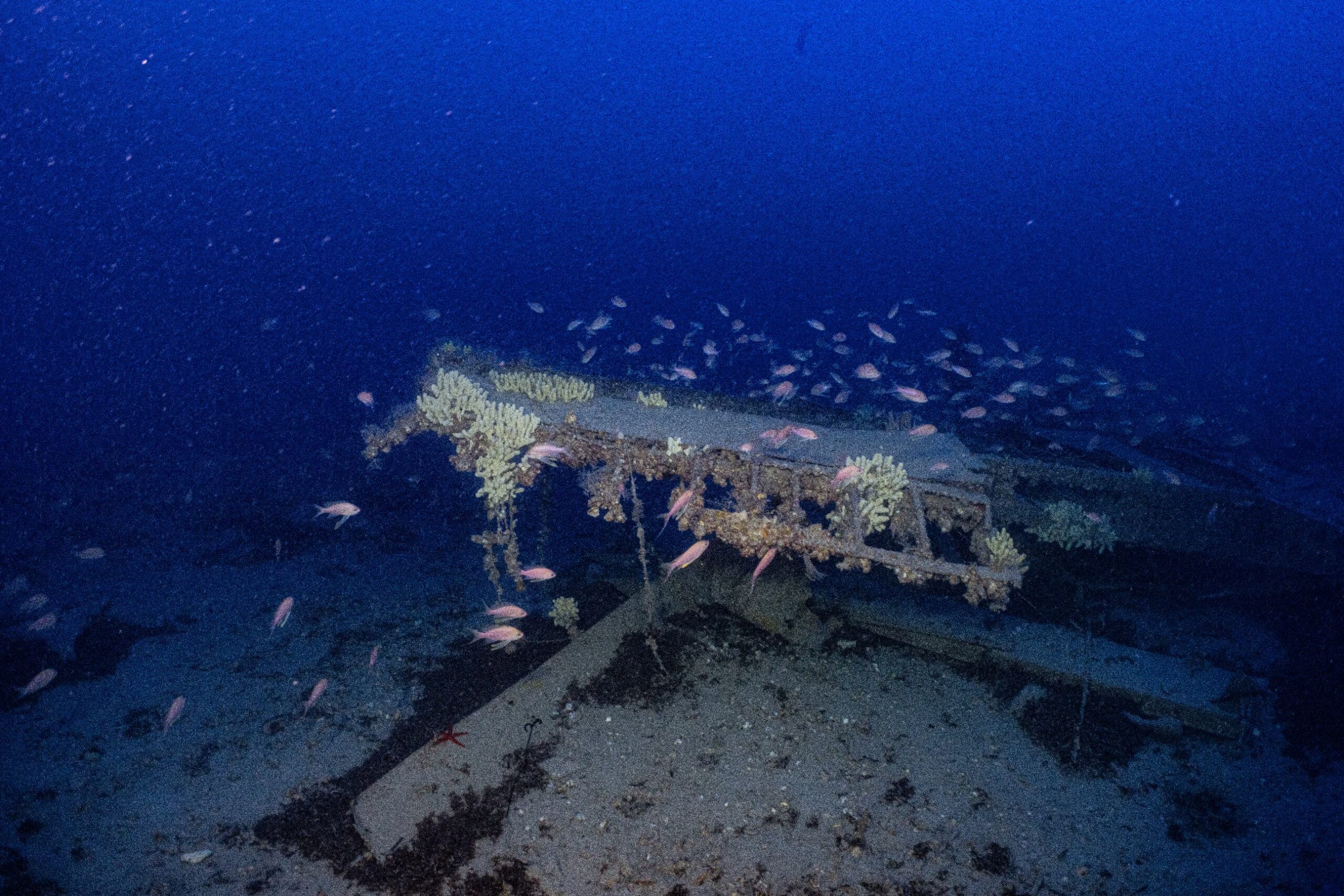
Bristol Beaufighter Mk. IC
Bristol Beaufighter Mk. IC
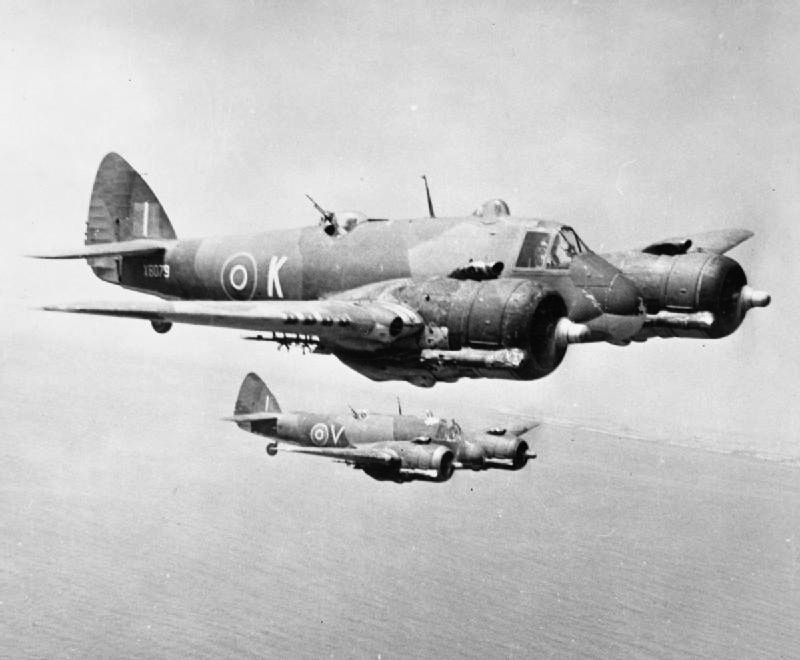
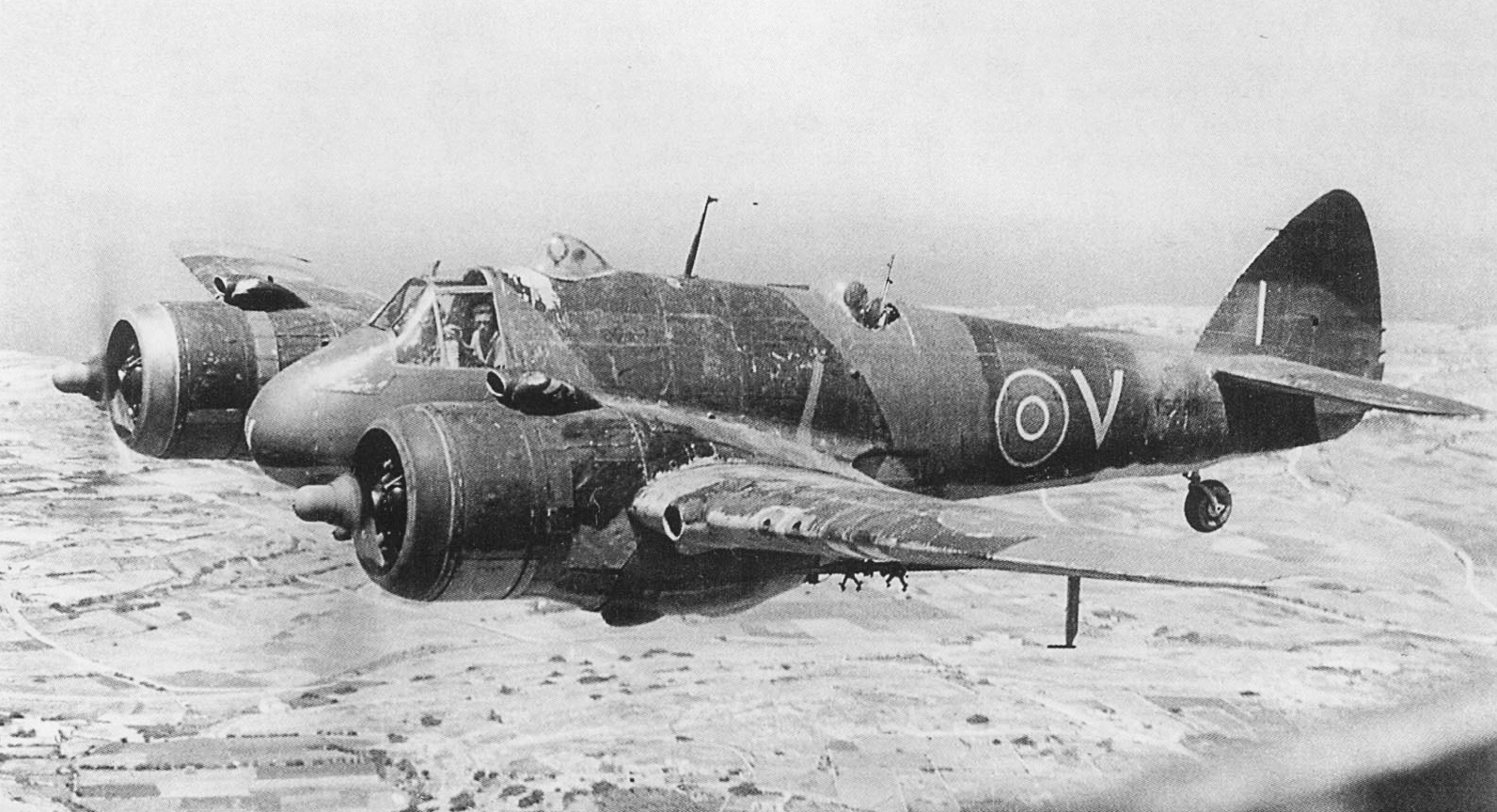
The wreck has been identified as a Bristol Beaufighter Mk. IC. The Beaufighter was a twin-engined, multi-role combat aircraft developed by the Bristol Aircraft Company. Initially designed as a heavy fighter, the Beaufighter proved adaptable and was later used in multiple roles, including night fighter, long-range fighter, ground-attack aircraft, and, notably, maritime strike and anti-shipping operations.
The aircraft evolved from the Bristol Beaufort torpedo bomber, using about 75% of its airframe and changing only the engine mounts and fuselage. The prototype first flew in July 1939, just eight months after its design began in November 1938, and production began soon after, with the Beaufighter Mk I entering operational service with the Royal Air Force (RAF) in September 1940.
The Beaufighter had a distinctive look because of its short front fuselage and the way its two engines and propellers sat ahead of the nose. It usually had a two-person crew, a pilot and a navigator, where the pilot not only flew the aircraft but also handled the forward-firing weapons. The navigator was especially important in the Mk. IC, which often flew long missions over the Mediterranean and open sea and the Mk. IC was in fact fitted with a special table, instruments, and direction-finding tools for navigation. In terms of armaments, the Beaufighter was known for its heavy firepower, with four 20mm Hispano cannons under the cockpit and six 0.303-inch Browning machine guns in the wings, making it effective against both enemy planes and ships. The Beaufighter was powered by two Bristol Hercules radial engines, reaching speeds of up to 320 mph (515km/h) and an altitude of 29,000 feet (8,840 metres). Thanks to its speed, range, and powerful weapons, it became one of the RAF’s key maritime strike aircraft during World War II.

The Beaufighter played an important role in Malta and the wider Mediterranean region. No. 252 Squadron, flying Beaufighters, arrived in Malta in early May 1941, bringing the aircraft to the islands early in its service. From Malta, Beaufighters attacked enemy planes, ships, and other targets across the central Mediterranean. Malta’s location near key Axis supply routes between Europe and North Africa made long-range aircraft like the Beaufighter especially valuable. Malta crews used Beaufighters to attack Axis shipping and helped develop better maritime strike tactics. The Beaufighter served throughout World War II and stayed in RAF service until 1960. Other air forces, including the Royal Australian Air Force, also used it. In total, 5,928 Beaufighters were built, including those made overseas.
Today, this Beaufighter wreck presents a tangible link to the fierce air and sea battles that raged over and around Malta during World War II. More than an example of an important aircraft, the wreck is part of the Maltese Islands’ underwater cultural heritage, preserving the memory of Malta’s strategic role and the crews who flew and, in some cases, perished over the central Mediterranean.
The Wreck.
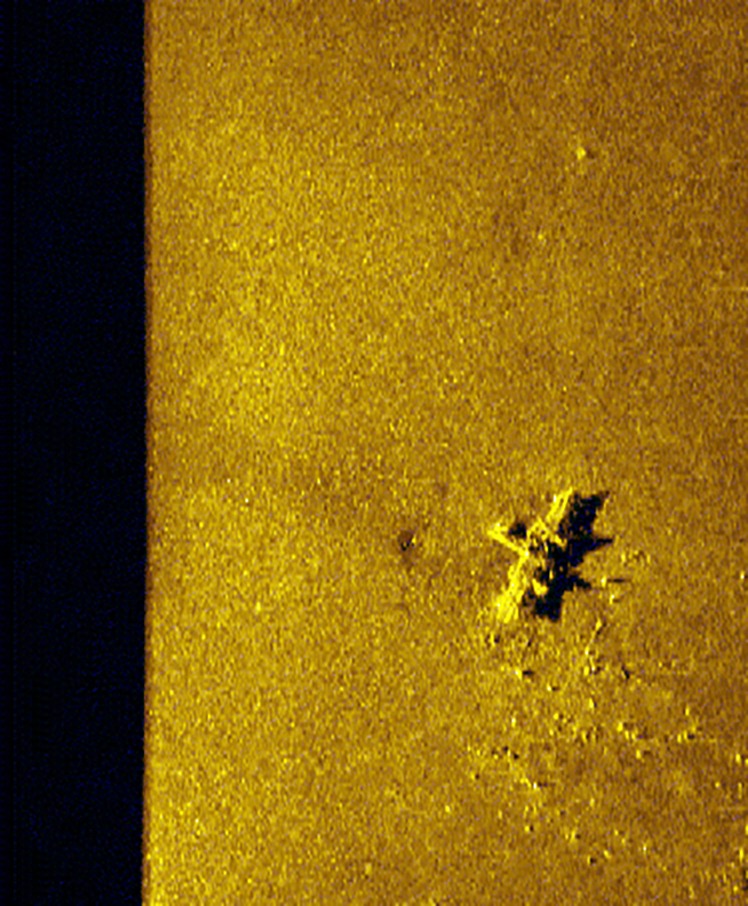
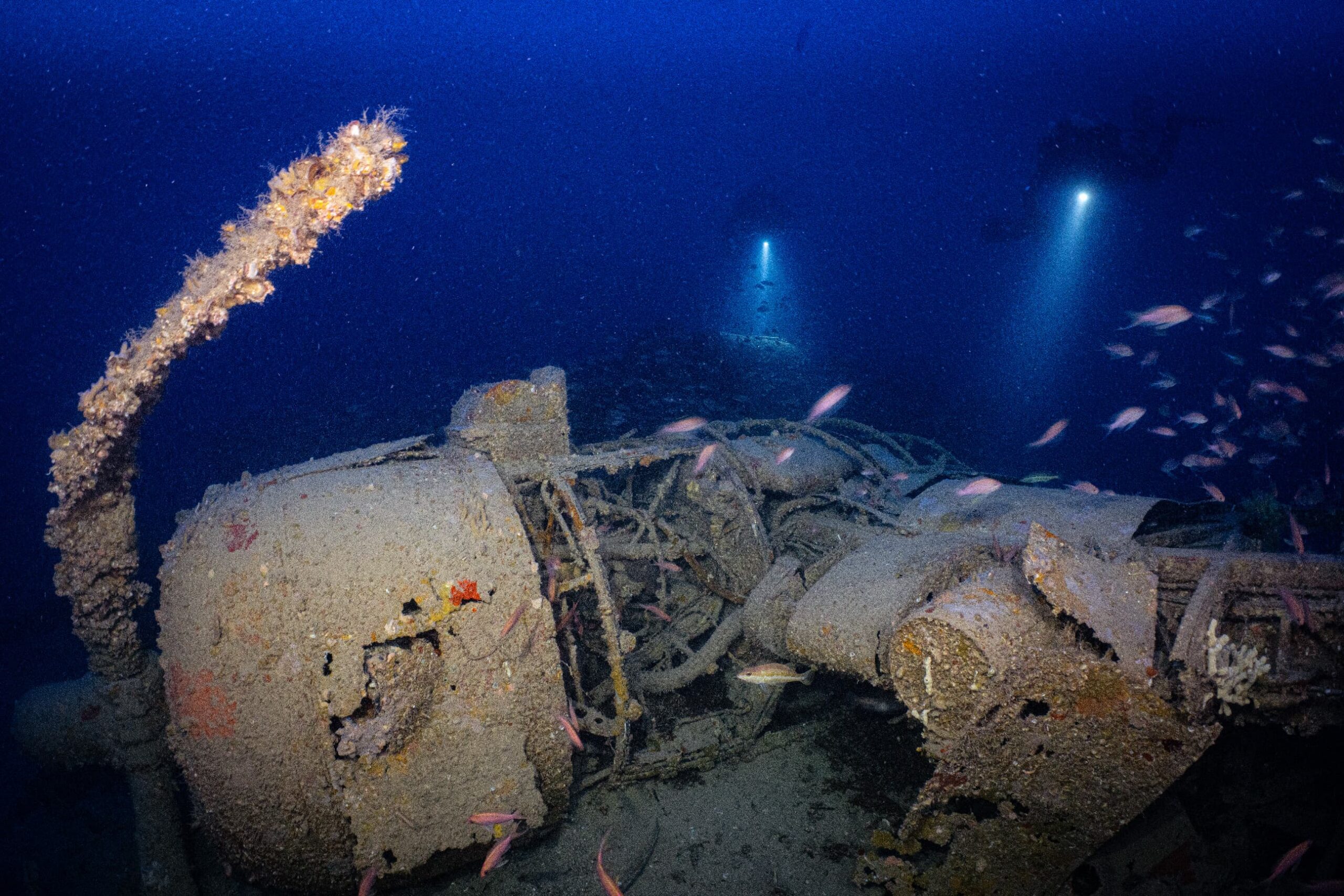
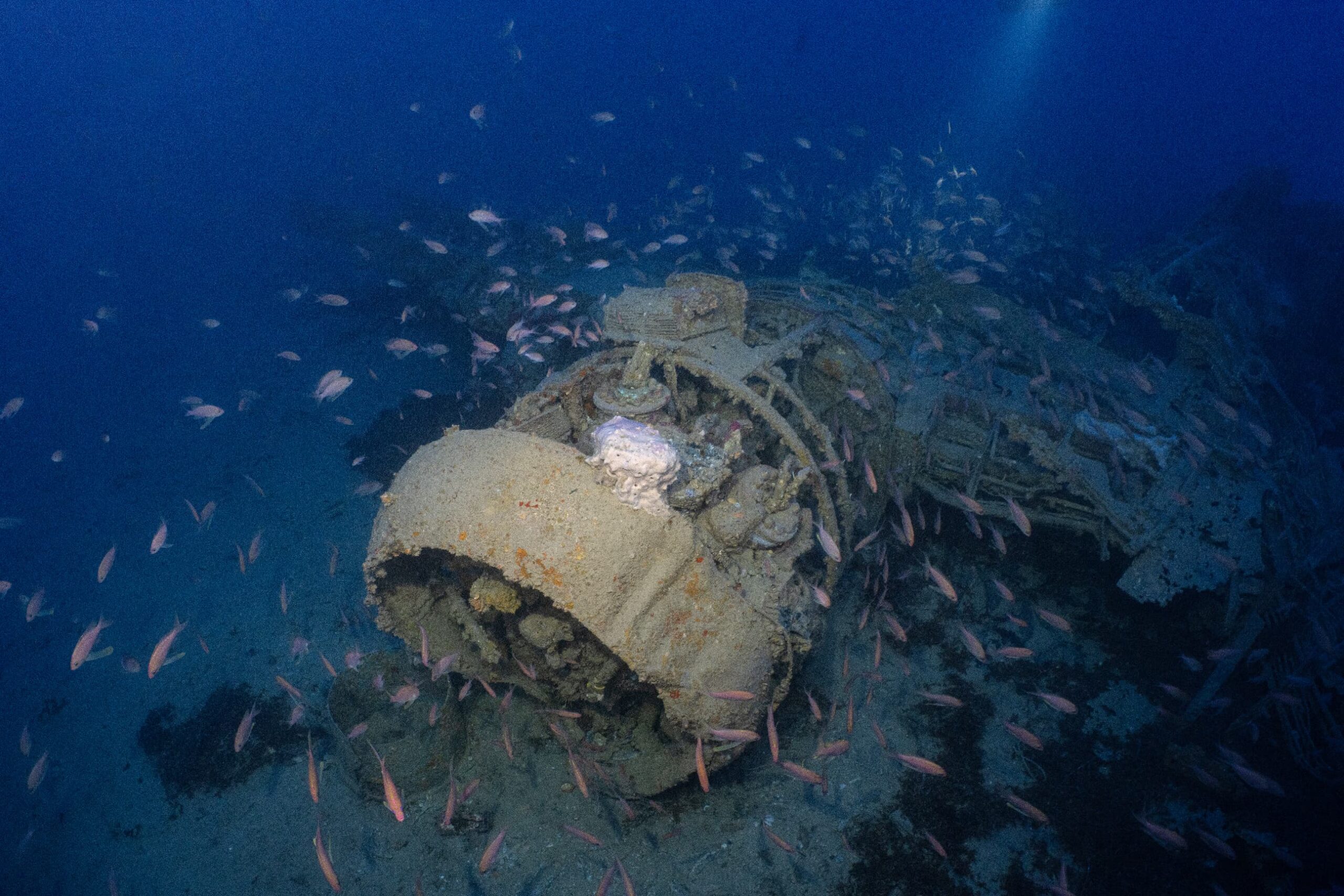
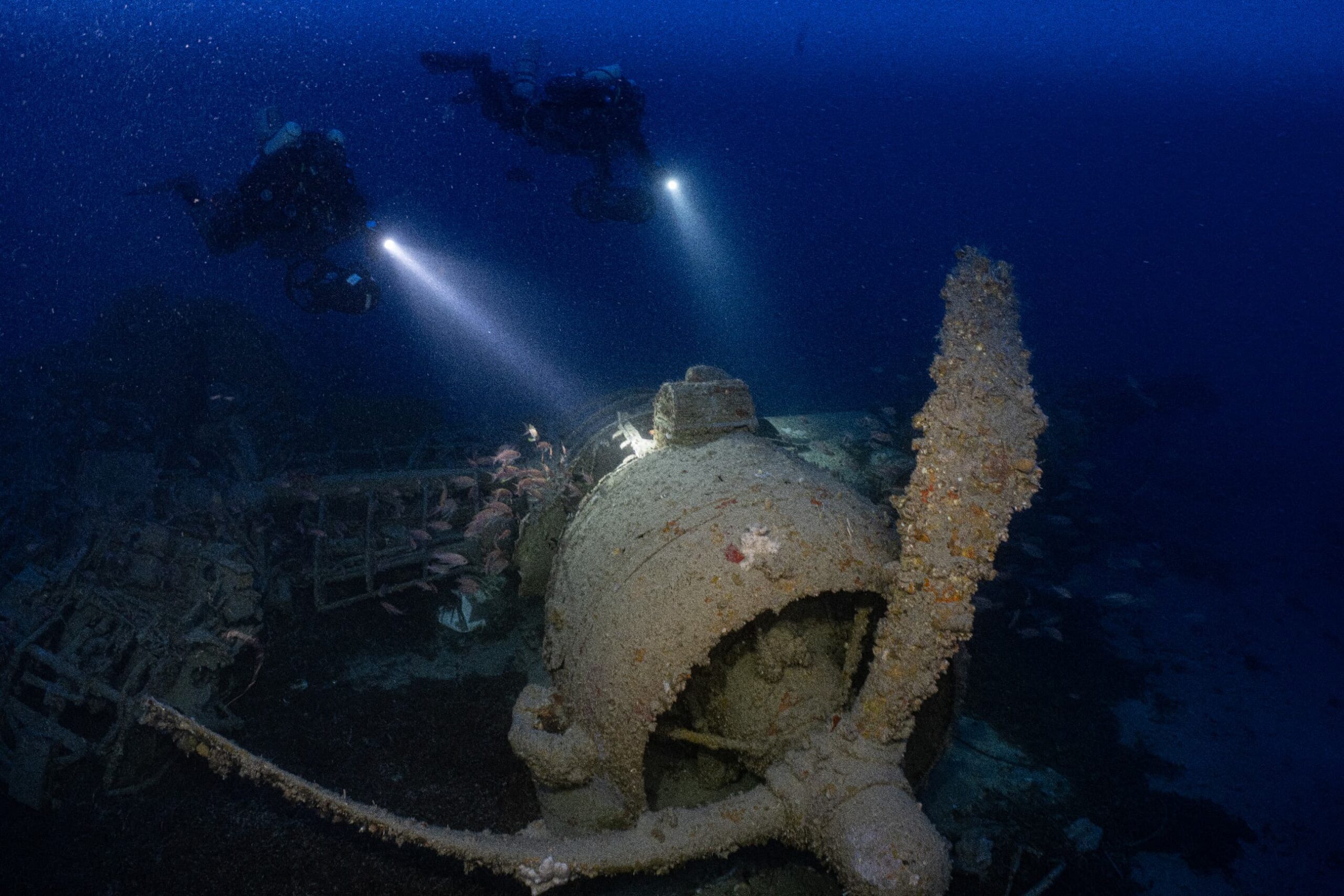
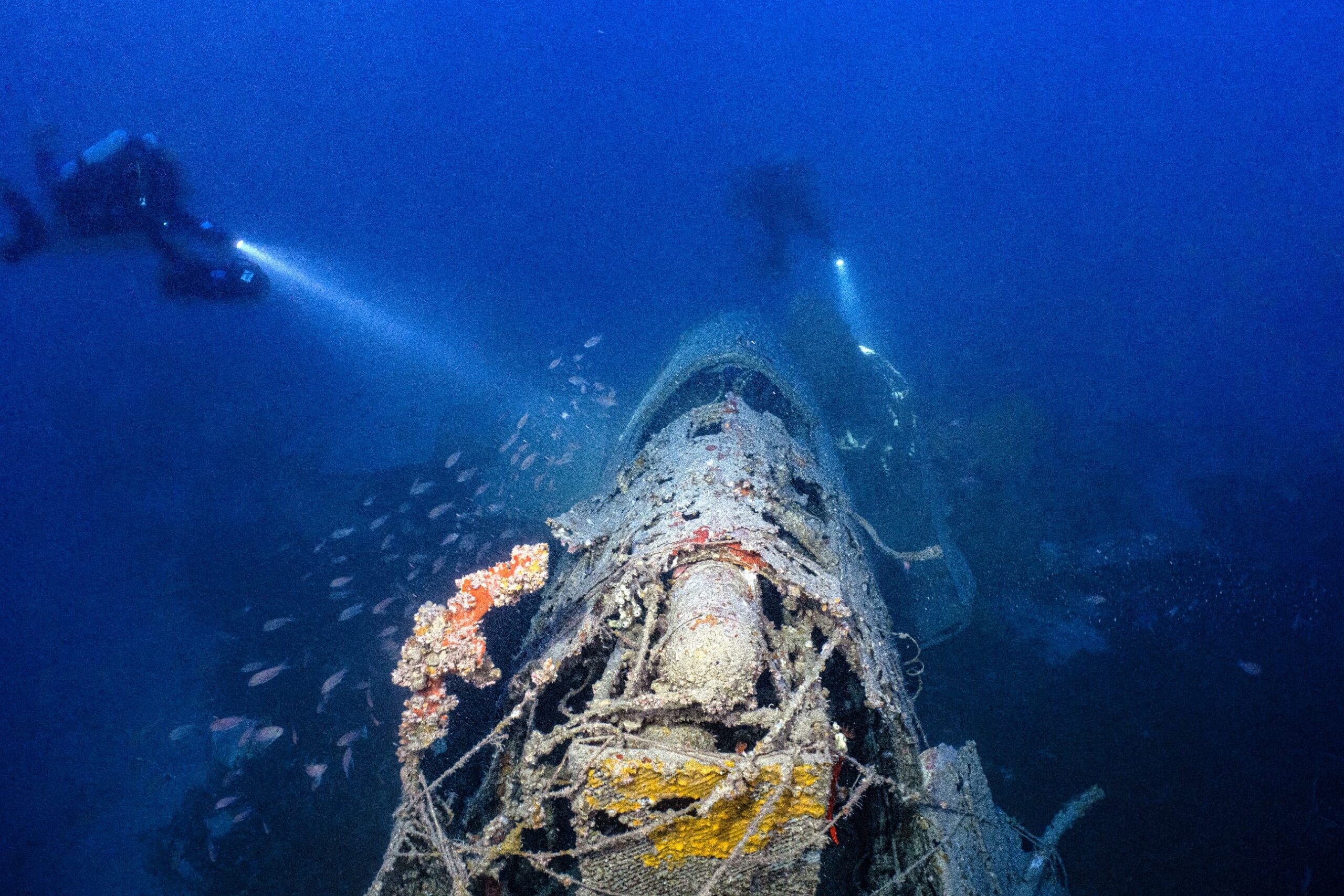
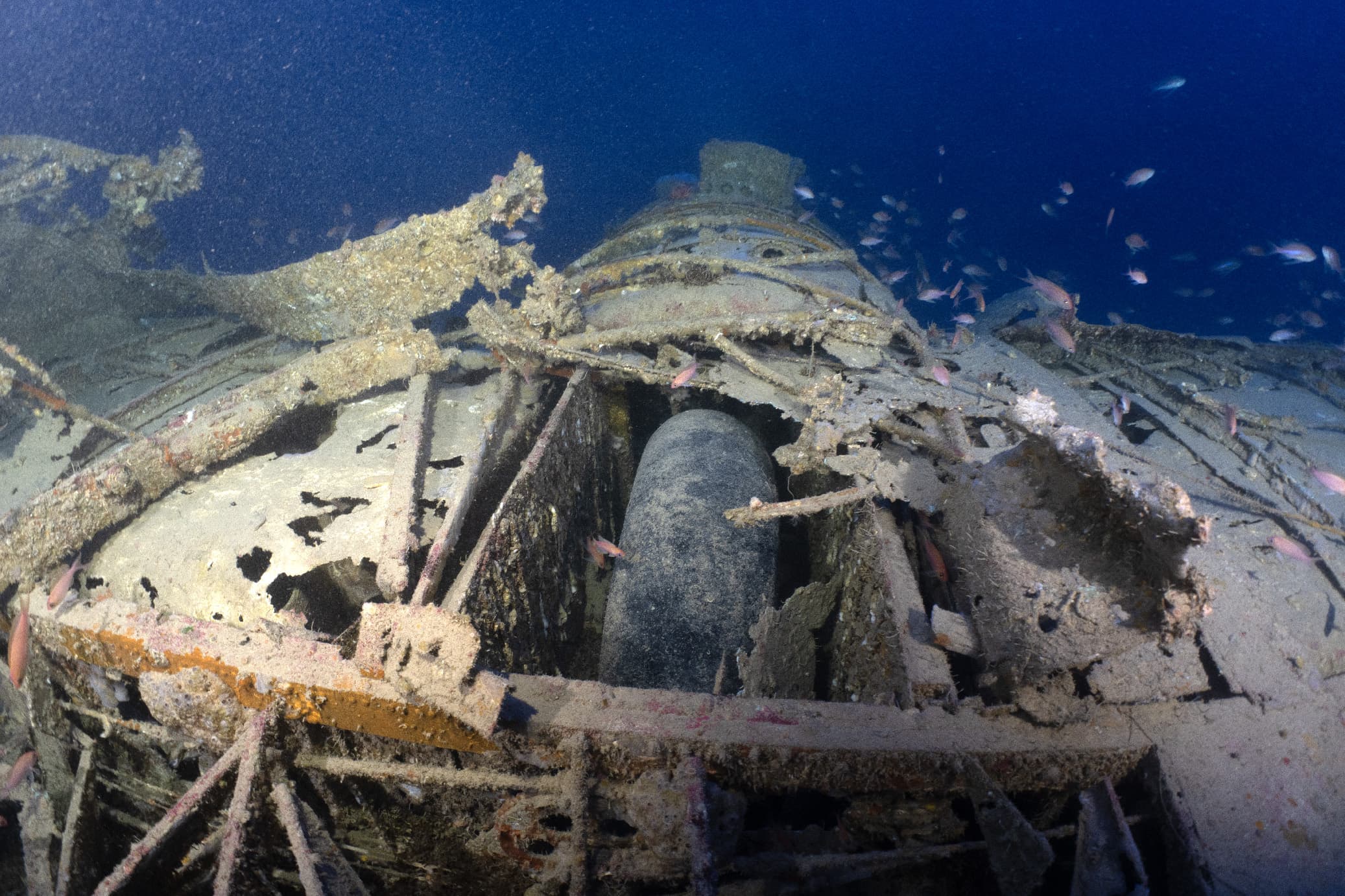
The wreck of this Beaufighter Mk. IC was found in 2014 during a sonar survey by the Malta Shipwreck Survey Project, run by the Maritime Research Programme at the University of Malta and the Superintendence of Cultural Heritage. The wreck sits upright on a sandy seabed off Malta’s southern coast at a depth of 108 metres. The main fuselage, wings, and engines are still intact, though the wings have deteriorated. Apart from some pitting, the fuselage is in good shape. The cockpit is missing, likely due to a violent crash at sea, but both engines remain, with the portside propeller in place. The starboard propeller is missing.
Although it is not certain which aircraft this wreck is, there are two main possibilities. The first is a Beaufighter Mk. IC that crashed on 15 February 1942 after leaving Malta for Egypt. It was attacked by Axis planes and crashed into the sea, with both crew members and a passenger lost. The second is a Beaufighter Mk. IC that had engine trouble and ditched into the sea on 28 January 1943. Both crew members survived and were rescued by the air-sea rescue launch HSL166. The first case involved a plane that was shot down, but the wreck does not show signs of this, so it is more likely to be the aircraft that ditched. It may never be possible to know for sure, but the lack of battle damage suggests this was the Beaufighter whose crew survived.
 Marine Life War Grave